
Prices and incentives
Solar panel cost in 2026: what a system really costs
Current prices per kWp, worked examples for 5, 10 and 15 kWp and an honest payback calculation. Every figure carries its source.
How we verify every numberLast verified 3 August 2026
Key takeaways
- A turnkey system costs EUR 900 to EUR 1,800 per kWp.
- A 10 kWp system costs about EUR 13,500 and produces around 11,000 kWh per year.
- Self-used electricity is worth about 4 times as much as exported electricity.
- Payback lands at roughly 9 years, calculated without any electricity price rises.
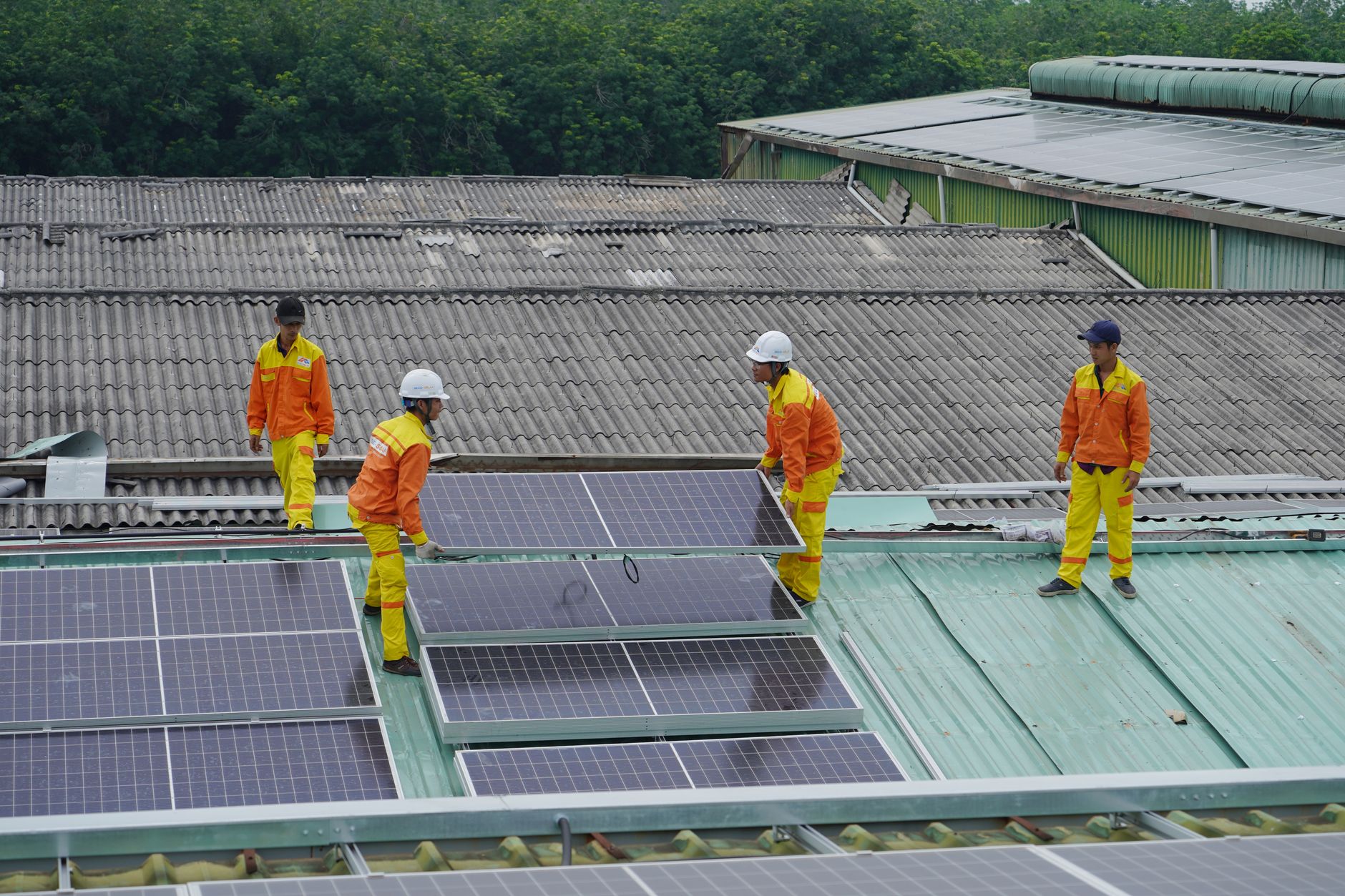
A turnkey solar system currently costs between EUR 900 and EUR 1,800 per kWp. For a family home with 10 kWp that comes to roughly EUR 13,500. This guide shows what makes up that price, what the system earns per year and after how many years it pays for itself. Every figure carries its source.
What does a solar system cost?
These are European reference values. Prices, export remuneration and subsidies differ sharply between countries, from about one cent per kilowatt hour for exported power in France to about thirteen cents in Italy. Pick your country site for local figures.
Cost by system size
Annual production
- 5 kWp5,500 kWh
- 10 kWp11,000 kWh
- 15 kWp16,500 kWh
Show the numbersHide the numbers
| System size | Total cost | Annual production | Annual benefit |
|---|---|---|---|
| 5 kWp | EUR 4,500 - EUR 9,000 | 5,500 kWh | EUR 785 |
| 10 kWp | EUR 9,000 - EUR 18,000 | 11,000 kWh | EUR 1,570 |
| 15 kWp | EUR 13,500 - EUR 27,000 | 16,500 kWh | EUR 2,355 |
What the system brings in
The bigger lever is not export, it is the electricity you use yourself. Every self-used kilowatt hour saves 28.91 cents, every exported one earns 8 cents. A 10 kWp system producing 11,000 kWh per year at a 30 percent self-consumption share saves about EUR 954 and earns EUR 616 from export, roughly EUR 1,570 a year.
When the system pays for itself
Investment and annual benefit give the 10 kWp system a payback period of roughly 9 years. The calculation is deliberately simple: no electricity price rises, no financing costs, no module degradation, no inverter replacement. Including those effects shifts the result by one to three years in either direction.
What drives the price
- Modules, around a quarter of the total or less in the IEA PVPS residential cost breakdowns
- Inverter, the component with the shortest service life
- Mounting system, depending on roof type and covering
- Installation and electrical work, the largest labour block
- Scaffolding, grid registration and documentation
Is a battery worth it?
A home battery currently costs between EUR 400 and EUR 900 per kilowatt hour of capacity. It typically lifts self-consumption from around 30 to around 60 percent. Whether that pays depends on the gap between the electricity price and the export rate: the wider the gap, the stronger the case.
Frequently asked questions
- How long does a solar system last?
- Modules are normally sold with a performance warranty covering 25 to 30 years. The inverter is the component most likely to need replacing before the system reaches the end of its life.
- Do these prices include installation?
- Yes. Every price per kWp in this guide refers to a turnkey system including modules, inverter, mounting and installation.
- What taxes and subsidies apply to a solar system?
- That is decided nationally, and it is one of the biggest reasons two identical systems land at very different prices in two countries. VAT on residential solar, the tax treatment of export income and any investment subsidy all differ per country, so the European reference figures in this guide carry no single tax assumption. Use the country version of this guide for the rate that actually applies to you.
- What is not included in the price per kWp?
- The price per kWp covers modules, inverter, mounting system, installation and electrical work, plus scaffolding, grid registration and documentation. A battery is not included: it costs a further EUR 400 to EUR 900 per kilowatt hour of capacity. Ask for scaffolding and grid registration as separate lines on the quote, because they are not always priced in.
- How much of the price is hardware and how much is labour?
- In the IEA PVPS cost breakdowns for grid-connected residential rooftop systems of up to 10 kW, modules come to EUR 0.35 of a EUR 1.39 per watt total before VAT in Italy in 2024, and CHF 0.33 of a CHF 2.79 per watt total in Switzerland in 2024. So modules are around a quarter of the price or less. The rest splits across the inverter, the mounting system, scaffolding and registration, and installation and electrical work, which is the largest labour block. That mix is why a falling module price only partly reaches the final invoice.
- Are solar prices still falling?
- Module prices follow a learning curve: Fraunhofer ISE finds that each time cumulative module production doubled over the past 45 years, the module price fell about 26.6 percent. The installed system price moves far more slowly, because the IEA PVPS residential cost breakdowns put modules at around a quarter of a rooftop system or less, and the rest is inverter, mounting and labour. So a further drop in module prices shifts the price you actually pay much less than the headline suggests.
- Why does payback differ so much between countries?
- Because the value of a kilowatt hour varies far more than the hardware price does. In this guide a self-used kilowatt hour is worth 28.91 cents, the European reference retail price, while an exported one earns 8 cents as a European reference value, and national export rates run from about one cent per kilowatt hour in France to about thirteen cents in Italy. A country with expensive retail electricity and a workable export rate pays a system back in a fraction of the time a country with cheap electricity and a token export rate does.
Sources
- Eurostat, electricity price statisticsec.europa.eu
- Fraunhofer ISE, Photovoltaics Reportise.fraunhofer.de
- Verbraucherzentrale, home battery cost (used here as a European reference value)verbraucherzentrale.de
- IEA PVPS, National Survey Report Italy 2024, residential cost breakdowniea-pvps.org
- IEA PVPS, National Survey Report Switzerland 2024, residential cost breakdowniea-pvps.org
We tell you when the rules change
One email when a tariff, a subsidy or a tax rule changes in your country. Nothing else.
France cut its surplus tariff on 5 June 2026, Germany drops its rate by 1 percent on 1 February 2027, Switzerland moves to hourly pricing on 1 January 2027. You would have known.
Written by
myosolar Editorial Team
Editorial Team
The myosolar editorial team researches and updates every article with cited sources.
Matching calculator
Solar savings and payback calculatorRelated guides

Prices and incentives
How to compare solar quotes without being fooled
Quotes for the same roof can differ by thousands and still both be fair. Reduce every offer to a price per kilowatt installed, check what that price includes, and know the red flags that end a conversation.
Updated 3 August 20268 min read
Prices and incentives
Is solar worth it? Four numbers decide, wherever you live
No universal yes exists. Whether rooftop solar pays depends on four numbers you can find for your own house; here is the framework, a worked European example, and the honest list of cases where it does not pay.
Updated 3 August 20268 min read